Advanced Targeting Prompts to Improve Audience Quality
Advanced Targeting Prompts
Table of Contents
Advanced Targeting Prompts
If you have ever felt frustrated by high traffic that never converts, then advanced targeting prompts are what you need. Many creators, marketers, and business owners spend years chasing bigger numbers, only to realize that visibility without relevance leads to wasted effort. Audience quality is the difference between people who casually scroll past your content and people who stop, read, engage, and eventually take action. When your audience feels like you are speaking directly to them, trust builds naturally, and trust is what drives meaningful results.
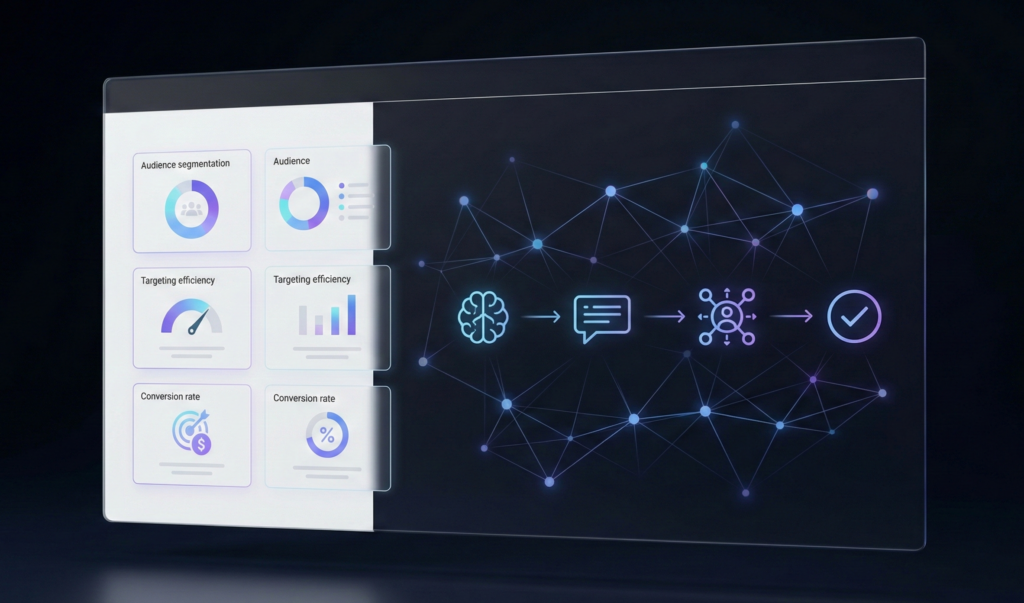
Audience quality matters because attention has become expensive. People are overwhelmed with content, offers, and messages competing for their time. When your message is too broad, it blends into the background noise. When it is precise, it feels personal. Advanced targeting prompts allow you to sharpen your messaging so it resonates with the right people instead of trying to appeal to everyone.
High-quality audiences tend to share common traits. They recognize themselves in your examples. They nod along when you describe a problem. They feel understood rather than sold to. This is not accidental. It is the result of intentional targeting at the prompt level, where you guide the AI to think like your ideal audience member rather than a generic reader.
Another reason audience quality matters is sustainability. A smaller, well-aligned audience often outperforms a massive but disengaged one. These people are more likely to return, recommend you to others, and stick around even when trends shift. Advanced targeting prompts help you build this kind of audience by filtering out mismatched readers before the content is even created.
Some common signs of low audience quality include high bounce rates, vague comments, low retention, and confusion about what you actually offer. On the other hand, high-quality audiences ask thoughtful questions, reference specific points you made, and see your content as relevant to their situation. This is where precise prompts come into play.
To understand the difference, think about the intent behind your content. Are you trying to impress everyone, or are you trying to connect with someone specific? Advanced targeting prompts push you to make that decision early. Instead of asking an AI to write for “business owners,” you guide it to write for a very particular type of person with specific challenges, goals, and constraints.
Here are a few mindset shifts that help clarify why audience quality should be your priority:
- Relevance beats reach every time when the goal is conversion
- Specific language creates emotional connection
- The right audience needs less convincing
- Precision reduces wasted effort
- Clear targeting builds long-term loyalty
When you focus on audience quality, your content feels calmer and more confident. You stop trying to shout louder and start speaking clearer. Advanced targeting prompts are the tool that helps you do exactly that, shaping every piece of content to attract people who are already aligned with what you offer.
What Makes a Targeting Prompt Advanced
Not all prompts are created equal. A basic prompt tells an AI what topic to write about. An advanced targeting prompt tells it who to write for, how to think, what to prioritize, and what to avoid. This difference might seem subtle at first, but it has a massive impact on the final output.
An advanced targeting prompt goes beyond surface-level demographics. Instead of only specifying age or profession, it dives into mindset, emotional triggers, experience level, and real-world context. It treats the audience as a living person rather than a data point.
For example, a simple prompt might say, “Write an article about improving marketing results.” An advanced targeting prompt would guide the AI to speak to a specific reader, such as someone who has already tried multiple strategies, feels burned out, and wants clarity instead of hype. The tone, examples, and structure immediately change.
Advanced targeting prompts also set boundaries. They tell the AI what not to include, which is just as important as what to include. This prevents generic advice, buzzwords, and filler content that dilute audience connection. Clear constraints lead to sharper messaging.
Another key trait of advanced targeting prompts is perspective control. You can instruct the AI to write from a certain point of view, such as a seasoned practitioner speaking to peers or a guide speaking to someone who feels stuck. This helps maintain consistency and credibility throughout the content.
Advanced targeting prompts also account for stage of awareness. Someone who is new to a topic needs reassurance and clarity. Someone experienced needs nuance and validation. Mixing these audiences leads to confusion, so advanced prompts clearly define where the reader stands.
Another element is language calibration. High-quality prompts specify whether the audience prefers simple explanations, strategic depth, or reflective insights. This avoids mismatched tone, such as overly technical content for beginners or oversimplified advice for experts.
To build advanced targeting prompts, you often combine several layers:
- Audience role or identity
- Current challenge or pain point
- Desired outcome or transformation
- Emotional state or motivation
- Preferred tone and depth
When these layers work together, the AI produces content that feels intentional rather than accidental. Readers sense that the message was meant for them, which dramatically improves engagement and retention.
Advanced Targeting Prompt Frameworks You Can Use
Creating advanced targeting prompts does not require guesswork. There are repeatable frameworks you can use to guide the AI toward higher audience quality. These frameworks act as mental checklists that ensure you are not missing critical context.
One effective framework is the “Situation-Emotion-Outcome” model. This approach forces you to think about where the reader is now, how they feel about it, and what they want to achieve. When included in a prompt, it produces content that feels empathetic and purposeful.
Another powerful framework is the “Before and After” perspective. This helps the AI contrast the reader’s current state with their desired future state. The content naturally becomes more motivating and clear because it highlights transformation rather than abstract advice.
You can also use a “Constraints and Reality” framework. This is especially useful for experienced audiences who are tired of unrealistic promises. By acknowledging limitations such as time, budget, or past failures, you immediately build credibility.
Here are several advanced targeting prompts frameworks you can experiment with:
Situation-Emotion-Outcome framework
- Before-and-After transformation framework
- Awareness-level targeting framework
- Constraint-aware realism framework
- Identity and values alignment framework
Each framework serves a different purpose, but all of them improve audience quality by narrowing focus. Instead of writing for an imaginary average reader, you write for a real person in a real situation.
You can also stack frameworks for even stronger results. For example, combining awareness level with constraints creates content that meets readers where they are while respecting their reality. This layered approach often leads to the highest engagement.
Language cues play an important role here. Advanced targeting prompts guide word choice, pacing, and structure. They encourage the AI to use examples that reflect the audience’s world rather than generic scenarios. This is where content starts to feel lived-in instead of theoretical.
Here is an example of how frameworks influence prompt depth:
Basic prompt: Write about improving audience engagement
Advanced prompt: Write for creators who already publish consistently but feel their audience is passive, acknowledge their frustration, avoid hype, and focus on practical shifts they can implement this month
The second version produces content that feels grounded and respectful of the reader’s experience. This is what improves audience quality over time.
Another framework worth mentioning is the “Objection and Belief” model. This helps address unspoken doubts that high-quality audiences often have. By guiding the AI to acknowledge skepticism or past disappointment, you reduce resistance and increase trust.
Advanced targeting prompts are not about complexity for its own sake. They are about clarity. The clearer you are about who you are speaking to, the easier it becomes for the AI to deliver content that attracts the right people and filters out the rest.
Applying Advanced Targeting Prompts for Long-Term Results
Using advanced targeting prompts is not a one-time tactic. It is a habit that shapes your entire content strategy. When applied consistently, it improves not only individual pieces of content but also the overall quality of your audience over time.
One of the biggest long-term benefits is alignment. Your content, offers, and messaging begin to attract people who already resonate with your approach. This reduces friction and shortens the path from discovery to trust. People feel like they know you because your content consistently reflects their reality.
Another benefit is feedback quality. As audience quality improves, so does the feedback you receive. Comments become more thoughtful. Questions become more specific. This creates a positive loop where audience insights help you refine your prompts even further.
Advanced targeting prompts also help you avoid content burnout. When you know exactly who you are writing for, ideas come more easily. You are no longer guessing what might work. Instead, you respond to real needs and patterns you observe in your audience.
To apply these prompts effectively, start by documenting your ideal audience in detail. Not just who they are, but how they think, what frustrates them, and what they value. Use this as a reference when crafting prompts so each piece of content builds on the last.
Here are practical ways to integrate advanced targeting prompts into your workflow:
- Keep a running list of audience pain points and desires
- Update prompts based on audience feedback and behavior
- Use consistent tone and perspective across content
- Review outputs for relevance before publishing
- Refine prompts rather than fixing content after the fact
Consistency is key. One well-targeted article helps, but a series of well-targeted pieces builds authority. Over time, your audience begins to self-select. People who are not aligned drift away, while those who are stay and engage more deeply.
It is also important to revisit and evolve your prompts. As your audience grows or changes, their needs shift. Advanced targeting prompts should be living tools that adapt rather than rigid templates you never touch again.
Another long-term advantage is efficiency. High-quality audiences require less persuasion. Your content does not need to overexplain or oversell. This makes your messaging cleaner and more confident, which further strengthens trust.
In the end, advanced targeting prompts are about respect. Respect for your audience’s time, intelligence, and experience. When people feel respected, they respond with attention and loyalty. That is the foundation of audience quality.
Related Prompt Libraries
- Ad Headline Prompts
- Creative Angles Prompts
- Creative Variation Prompts
- Google Ads Optimization Prompts